

In today’s digital age, communication platforms like WhatsApp have revolutionized the way we connect and interact. Beyond personal messaging, WhatsApp has increasingly become a tool for professional communication, particularly in industries like healthcare. With its ease of use, accessibility, and security features, WhatsApp has found significant utility in healthcare settings, facilitating communication between patients, healthcare providers, and even among medical teams. In this comprehensive guide, we delve into the various aspects of utilizing WhatsApp in healthcare and explore its benefits, challenges, and best practices.
Benefits of WhatsApp in Healthcare
In today’s fast-paced world, communication plays a pivotal role in every sector, including healthcare. With the advent of instant messaging applications like WhatsApp, communication within healthcare settings has witnessed a significant transformation. WhatsApp, initially developed as a messaging platform for personal use, has gradually evolved into a valuable tool in the realm of healthcare, offering numerous benefits for both healthcare providers and patients alike.
video credit for TARS
Enhanced Communication and Collaboration
One of the most significant advantages of incorporating WhatsApp into healthcare practices is the facilitation of seamless communication and collaboration among healthcare professionals. In a healthcare environment, where quick decision-making is crucial, WhatsApp provides an efficient platform for instant communication, enabling healthcare providers to consult with colleagues, share insights, and seek advice promptly. This real-time communication fosters collaboration, leading to better patient outcomes and enhanced quality of care.
Improved Patient Engagement and Support
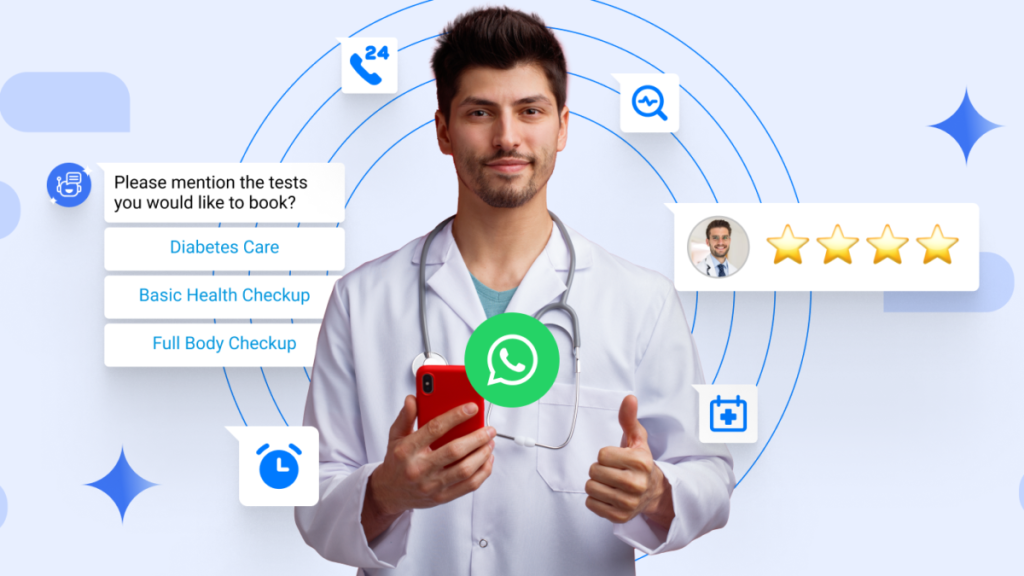
WhatsApp also serves as a convenient medium for engaging with patients and providing them with necessary support and guidance. Healthcare providers can leverage WhatsApp, enhanced by solutions like Autochat (Kerala’s First Meta Badged Partner), to send automated appointment reminders, share educational resources efficiently, and address patient queries promptly. Moreover, the platform allows for personalized communication, enabling healthcare professionals to establish stronger connections with their patients, thereby fostering trust and improving patient satisfaction.
Streamlined Appointment Scheduling and Management
With WhatsApp, healthcare facilities can streamline the process of appointment scheduling and management. Patients can easily book appointments or reschedule them through the platform, eliminating the need for time-consuming phone calls or visits. Additionally, healthcare providers can use WhatsApp to send reminders and notifications regarding upcoming appointments, reducing the likelihood of missed appointments and improving overall efficiency in scheduling.
Confidential and Secure Communication
Maintaining patient confidentiality and data security is paramount in healthcare. WhatsApp offers end-to-end encryption, ensuring that sensitive information shared between healthcare professionals and patients remains secure and confidential. This feature enhances trust and compliance with privacy regulations, such as HIPAA in the United States, making WhatsApp a reliable communication tool for healthcare organizations.
Cost-Efficiency and Accessibility
Unlike traditional communication methods, such as phone calls or postal services, WhatsApp offers a cost-effective solution for communication within healthcare settings. Healthcare providers can communicate with multiple patients or colleagues simultaneously, reducing time and resource expenditure. Furthermore, WhatsApp is accessible on smartphones, making it convenient for both healthcare professionals and patients to communicate anytime, anywhere, thereby enhancing accessibility to healthcare services.
Remote Patient Monitoring and Telemedicine
In light of technological advancements, WhatsApp can be integrated into remote patient monitoring and telemedicine initiatives. Healthcare providers can remotely monitor patients’ vital signs, provide virtual consultations, and offer medical advice through the platform. This capability is particularly beneficial for patients in remote areas or those with mobility issues, as it enables them to access healthcare services without the need for physical visits to healthcare facilities.
Challenges and Considerations of WhatsApp in Healthcare
In an era of rapid digital transformation, the healthcare industry is constantly seeking innovative solutions to improve patient care, streamline communication, and enhance efficiency. One such tool that has gained widespread popularity is WhatsApp. Initially designed as a simple messaging app, WhatsApp has found its way into the healthcare landscape, facilitating communication among healthcare professionals, patients, and caregivers. However, leveraging WhatsApp in a healthcare setting comes with its own set of challenges and considerations that demand careful navigation.
Security and Privacy Concerns
Perhaps the most pressing challenge surrounding the use of WhatsApp in healthcare is security and privacy. While WhatsApp offers end-to-end encryption, ensuring the privacy of messages exchanged between users, it falls short of meeting the stringent security standards required for handling sensitive healthcare information. Patient data, protected health information (PHI), and other confidential details transmitted via WhatsApp may be vulnerable to unauthorized access or interception, posing significant risks to patient privacy and compliance with regulations such as the Health Insurance Portability and Accountability Act (HIPAA) in the United States.
Regulatory Compliance
Healthcare providers must adhere to a myriad of regulations and standards governing the handling, storage, and transmission of patient data. Integrating WhatsApp into clinical workflows raises concerns about compliance with these regulations, particularly in jurisdictions with strict data protection laws. Healthcare organizations must carefully assess whether WhatsApp meets the necessary regulatory requirements and implement additional safeguards, such as data encryption and access controls, to mitigate compliance risks.
Data Retention and Storage
WhatsApp does not provide robust mechanisms for data retention and storage, making it challenging for healthcare providers to maintain an accurate record of communication for review purposes or reference. In the absence of proper archiving capabilities, important clinical information exchanged via WhatsApp may be lost or difficult to retrieve, potentially compromising patient care and continuity.
Integration with Electronic Health Records (EHR)
Efficient information exchange is crucial for delivering high-quality healthcare services. Integrating WhatsApp with EHR systems faces technical challenges, including data format differences, interoperability issues, and security concerns. While custom or third-party solutions exist, seamless integration remains complex.
Professional Boundaries and Ethical Considerations
The informal nature of WhatsApp blurs personal and professional boundaries, raising ethical concerns about professionalism, patient confidentiality, and appropriate use. Healthcare professionals must exercise caution to maintain standards and uphold patient trust.
Mitigating the Risks
Despite these challenges, WhatsApp can still offer valuable benefits to healthcare organizations when used judiciously and in conjunction with robust security measures. To mitigate the risks associated with WhatsApp use in healthcare, organizations should:
- Implement Secure Communication Policies: Establish clear guidelines for WhatsApp use in clinical communication, focusing on data security, privacy, and regulatory compliance.
- Educate Staff: Provide thorough training for healthcare staff on using WhatsApp, covering security risks, patient confidentiality, and adherence to professional standards.
- Deploy Secure Messaging Platforms: Explore healthcare-specific messaging platforms with enhanced security features, encryption, and regulatory compliance tailored to industry needs.
- Integrate with EHR Systems: Invest in solutions that integrate WhatsApp with EHR systems, ensuring efficient information exchange while maintaining data integrity and security.
- Regularly Review and Monitor Communication: Conduct regular reviews of messaging activities to ensure policy compliance, identify security vulnerabilities, and address breaches or incidents promptly.
Best Practices for Using WhatsApp in Healthcare
In an era of rapid technological advancement, communication platforms like WhatsApp have become ubiquitous tools for exchanging information. While originally designed for personal messaging, WhatsApp’s convenience and ease of use have prompted its adoption in various professional settings, including healthcare. However, integrating WhatsApp into healthcare practices requires careful consideration of patient privacy, data security, and regulatory compliance. Here are some best practices for utilizing WhatsApp effectively and responsibly in healthcare settings:
Ensure Compliance with HIPAA Regulations:
The Health Insurance Portability and Accountability Act (HIPAA) in the United States sets standards for protecting sensitive patient data. When using WhatsApp for healthcare communication, it’s crucial to ensure compliance with HIPAA regulations. This includes implementing appropriate safeguards to protect patient privacy and ensuring that any messages containing protected health information (PHI) are encrypted and secure.
Obtain Patient Consent:
Before using WhatsApp to communicate with patients, obtain their explicit consent. Clearly explain the purpose of using WhatsApp, the type of information that will be shared, and any potential risks associated with using the platform. Patients should have the option to opt out of WhatsApp communication if they prefer more traditional channels.
Use End-to-End Encryption:
WhatsApp offers end-to-end encryption for messages, ensuring that only the sender and recipient can read the content. This feature enhances the security of healthcare communication by protecting sensitive information from unauthorized access. However, it’s essential to verify that encryption is enabled and functioning correctly to maintain data security.
Implement Security Measures:
In addition to encryption, implement additional security measures to protect patient data. This includes enabling two-factor authentication, using strong passwords, and regularly updating the app to patch any security vulnerabilities. Healthcare organizations should also establish protocols for handling lost or stolen devices to prevent unauthorized access to patient information.
Limit PHI Sharing:
While WhatsApp may be convenient for quick communication, healthcare professionals should exercise caution when sharing PHI through the platform. Limit the transmission of sensitive patient information to essential details necessary for patient care. Avoid discussing patient cases in group chats or sharing PHI with unauthorized individuals to minimize the risk of data breaches.
Educate Staff on Data Privacy:
Provide comprehensive training to healthcare staff on the importance of data privacy and security when using WhatsApp. Ensure that all employees understand their responsibilities regarding patient confidentiality and are aware of the potential risks associated with using messaging apps for healthcare communication. Regularly update training programs to address emerging threats and best practices.
Monitor Communication:
Implement monitoring mechanisms to oversee WhatsApp communication within the healthcare organization. This includes reviewing message logs, tracking user activity, and conducting periodic assessments of data security practices. Monitoring helps identify any potential breaches or violations of privacy policies and allows for prompt remediation.
Backup and Retention Policies:
Establish clear policies for backing up and retaining WhatsApp messages containing patient information. Determine appropriate retention periods based on regulatory requirements and organizational needs. Implement secure backup solutions to ensure that data is protected and accessible when needed for reference or review purposes.
Maintain Professional Boundaries:
While WhatsApp offers a more informal means of communication, it’s essential to maintain professional boundaries when interacting with patients. Avoid engaging in non-clinical or personal conversations that could compromise the doctor-patient relationship. Use WhatsApp primarily for clinical communication and refrain from sharing personal contact information with patients.
Regularly Review Policies:
Healthcare organizations should regularly review and update their policies and procedures related to WhatsApp usage. As technology evolves and regulatory requirements change, it’s essential to adapt practices to mitigate emerging risks effectively. Solicit feedback from staff and patients to identify areas for improvement and ensure ongoing compliance with best practices.
WhatsApp for Healthcare: The Problem of Informal Communication in Critical Settings
In today’s digital age, instant messaging platforms like WhatsApp have become ubiquitous tools for communication across various sectors. However, while these platforms offer convenience and speed, they also present significant challenges when used in critical settings such as healthcare. The informal nature of WhatsApp poses serious concerns regarding patient privacy, data security, and the reliability of medical information exchange. In this article, we delve into the problem of using WhatsApp in healthcare and explore the potential risks associated with its widespread adoption in clinical settings.
The Appeal of WhatsApp in Healthcare
WhatsApp’s popularity in healthcare settings stems from its ease of use, widespread availability, and real-time communication capabilities. Healthcare professionals often find it convenient to use WhatsApp to share patient information, discuss cases, and coordinate care, especially in fast-paced environments where quick decisions are crucial. Additionally, WhatsApp allows for the creation of group chats, enabling multidisciplinary teams to collaborate efficiently, regardless of their physical location.
The Problem of Informal Communication
While WhatsApp offers immediate communication benefits, its informal nature poses significant challenges in healthcare. Unlike secure, regulated communication platforms designed explicitly for medical use, WhatsApp lacks the necessary safeguards to protect sensitive patient data. Messages exchanged on WhatsApp are often unencrypted, leaving patient information vulnerable to interception by unauthorized individuals. This lack of encryption raises serious concerns about patient privacy and compliance with regulations such as the Health Insurance Portability and Accountability Act (HIPAA).
Furthermore, the informal language and abbreviations commonly used on WhatsApp can lead to misunderstandings and misinterpretations among healthcare professionals. In critical situations requiring precise communication, relying on informal messaging platforms like WhatsApp can lead to medical errors and compromise patient safety.
Data Security Risks
Another major issue with using WhatsApp in healthcare is the lack of control over data security. Healthcare organizations struggle with oversight and control over WhatsApp data, making it difficult to enforce security protocols and comply with data protection laws. Additionally, WhatsApp’s cloud backup feature poses a risk, as sensitive patient information in chat histories could be compromised by unauthorized access.
Reliability of Medical Information
In addition to privacy and security concerns, the reliability of medical information exchanged on WhatsApp is also questionable. Unlike official EHR systems, WhatsApp lacks verification processes for shared information, raising concerns about the accuracy and reliability of medical data, which could affect diagnoses and treatments.
Why do doctors use WhatsApp?
In an era of advanced healthcare technologies, many doctors still rely on the common messaging app, WhatsApp, for its simplicity and accessibility. Originally a personal messaging app, WhatsApp has evolved to serve a niche in the medical field, proving its value in professional communication. So, why exactly do doctors choose WhatsApp as a communication tool amidst a plethora of other options? Let’s delve into the reasons behind this phenomenon.
Ease of Communication:
WhatsApp offers a user-friendly interface that simplifies communication between doctors, nurses, administrative staff, and even patients. Its instant messaging feature facilitates quick exchange of information, enabling healthcare professionals to coordinate patient care efficiently. Whether it’s discussing test results, consulting on treatment plans, or organizing schedules, WhatsApp provides a seamless platform for real-time communication.
Accessibility:
One of the key advantages of WhatsApp is its widespread accessibility. The application is available on smartphones, which are ubiquitous among healthcare professionals. Doctors can access WhatsApp on personal devices, ensuring timely communication even outside the hospital or clinic. This accessibility is crucial for swift decision-making in healthcare settings.
Security Measures:
While WhatsApp was initially designed for personal use, its developers have implemented several security features to protect user privacy. End-to-end encryption ensures that messages exchanged between users are securely transmitted and can only be accessed by the intended recipients. Although WhatsApp may not meet strict healthcare regulations like HIPAA, many healthcare professionals still use it for non-sensitive communication, finding its security measures adequate for their needs.
Multi-Media Sharing:
In healthcare, visual information often plays a crucial role in diagnosis and treatment. WhatsApp allows users to share various forms of media, including images, videos, and documents. This feature is especially useful for doctors needing to share visual data like X-rays, MRI scans, or medical reports for consultations or second opinions. The ability to share multimedia enhances the effectiveness of communication and aids in delivering comprehensive patient care.
Collaborative Care:
Healthcare is shifting towards a collaborative model, and WhatsApp supports this by enabling real-time group chats. It helps healthcare teams coordinate, share updates, and brainstorm solutions effectively, enhancing teamwork for complex cases and procedures.
Cost-Effective Solution:
Unlike many specialized healthcare platforms with subscription fees, WhatsApp is free and widely accessible on most smartphones. This makes it an attractive option for healthcare facilities, especially those with limited budgets or in resource-constrained settings. By leveraging WhatsApp, doctors can harness the benefits of modern communication technology without incurring additional expenses.
Conclusion
WhatsApp enhances healthcare communication and collaboration by facilitating patient engagement and streamlining care delivery. However, healthcare organizations must address data security, regulatory compliance, and ethical challenges. By adopting best practices and using WhatsApp responsibly, providers can improve patient outcomes and care quality.
While WhatsApp provides convenience and efficiency, its use in healthcare poses risks like compromising patient privacy, data security, and medical information reliability, challenging patient safety and regulatory compliance.
To mitigate these risks, healthcare organizations should adopt secure, HIPAA-compliant communication platforms designed for medical use. Investing in such solutions ensures patient information remains confidential and reliable while enabling effective communication among care teams.
While WhatsApp can be useful for casual communication, its use in healthcare requires caution due to risks to patient safety and data security. Healthcare organizations should prioritize secure, compliant communication solutions to protect patient information and maintain high standards of care.
The widespread use of WhatsApp among doctors highlights its versatility in healthcare communication. Despite challenges like privacy regulations, WhatsApp offers a practical solution for streamlining communication and improving patient care. Future advancements may further integrate such platforms into modern healthcare.

I'm a tech-savvy writer with a Computer Science degree and web hosting background, contributing to AutoChat Blog. I simplify complex tech topics like web development and cybersecurity. Beyond writing, I'm a tech explorer passionate about digital advancements.